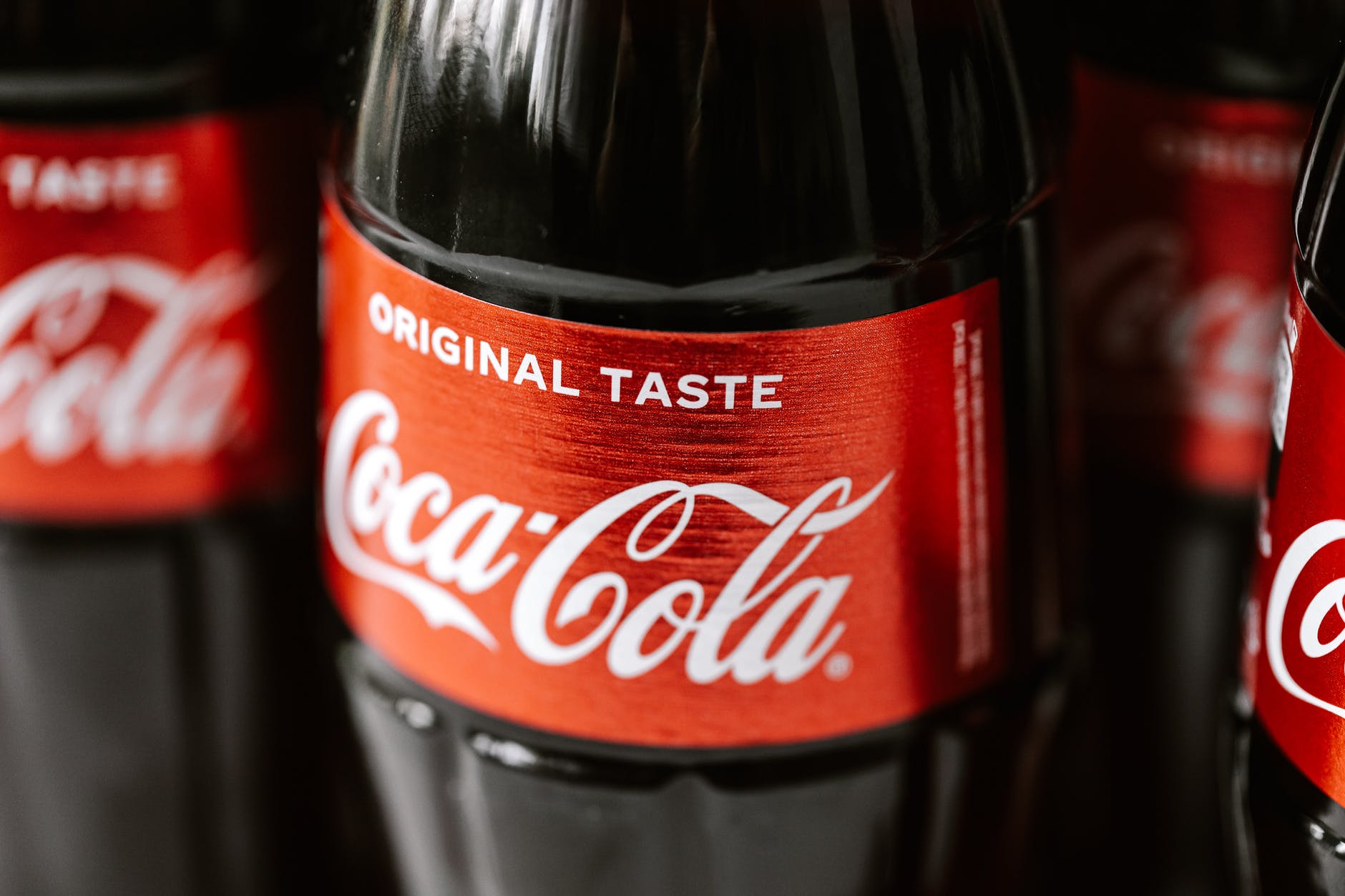
“Trade dress” is protection on the overall appearance or image of something in commerce. In short, how the item is “dressed” for sale.
What is covered?
Originally trade dress applied to labels and packaging, however, trade dress has expanded to include design and configurations of products.
Examples:
- Product packaging, labels and containers: Shape and design of a Coca-Cola® (Trademark Reg. No. 696,147).
- Product shape, design and configuration: Gucci Timepieces America, Inc’s watch face shaped like the letter “G.”
- Visual components associated with a product or brand: McDonald’s Golden Arches®
- Colors to identify the source of a product or service: Even single colors can be registered as a trademark
- Business exteriors and interiors: The distinctive design, décor, menu, style, and look and feel of a restaurant.
- Sounds and scents: NBC chime (Trademark Reg. No. 916,522).
Protectability requirements
Under Section 43(a) of the Lanham Act, trade dress must be both:
- Non-functional; and
- Distinctive
Non-functional
The trade dress being claimed cannot be functional. There are two main tests that may be considered (1) utilitarian functionality; and (2) aesthetic functionality.
Utilitarian functionality is if the product feature is either essential to the use or purpose of the article or affects the cost or quality of the article.
Aesthetic functionality has been previously explained to be if the exclusive use of a design feature puts competitors at a non-reputation-related disadvantage.
Distinctiveness
The trade dress can be distinctive if it is (1) inherent; or (2) acquired.
Inherently distinctive is determined if it is immediately capable of identifying a source of origin for a good or service. The supreme court has also determined that product design or configuration cannot be inherently distinctive and require proof of secondary meaning.
Acquired distinctiveness is considered by a group of factors: (1) direct consumer testimony; (2) consumer surveys; (3) exclusivity, length, and manner of use; (4) amount and manner of advertising; (5) amount of sales and number of customers; (6) established place in the market; and (7) proof of intentional copying.